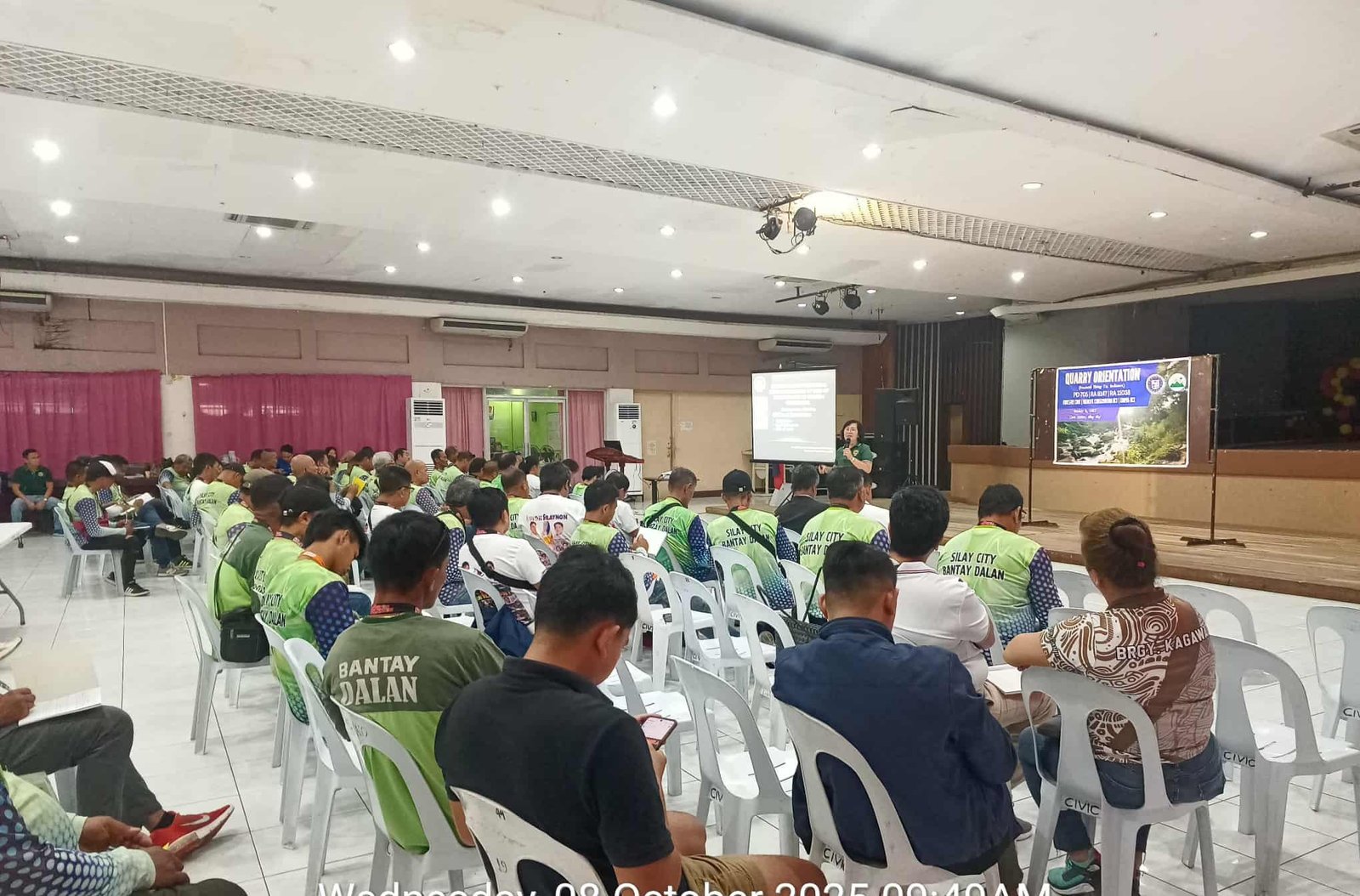
Administrative, Mines Licensing & Registration
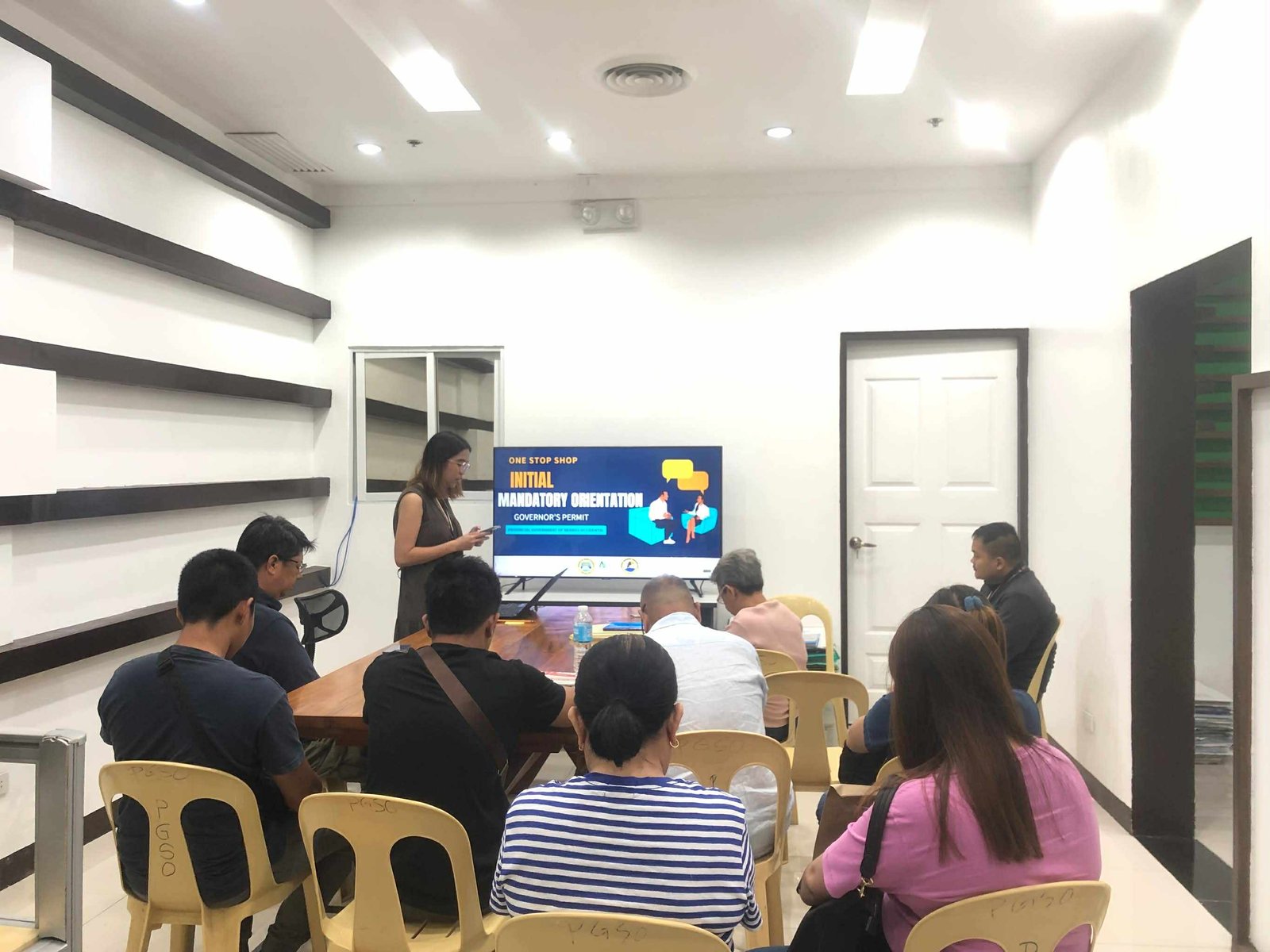
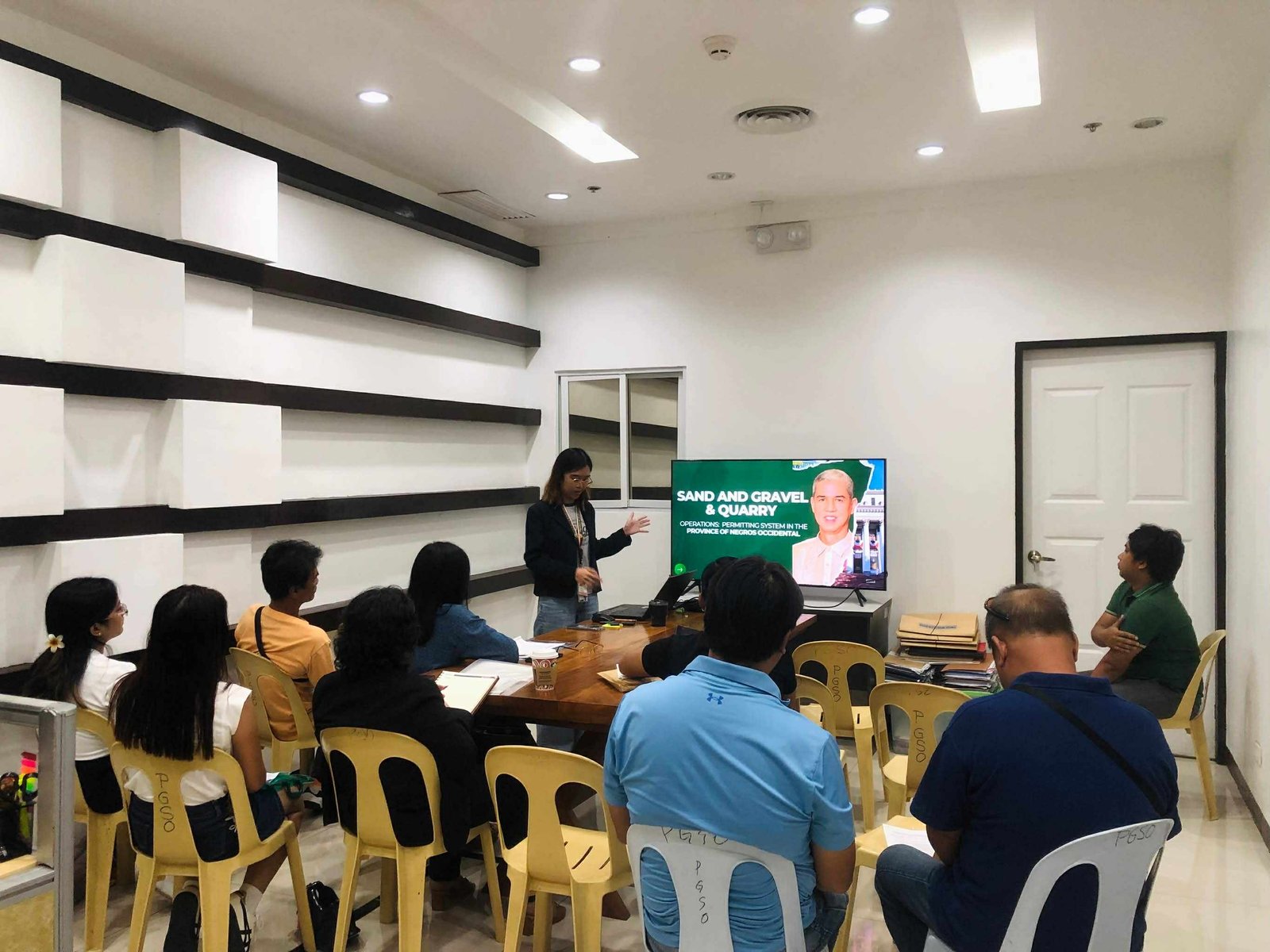
One-Stop-Shop: Handles the processing of quarry, sand and gravel permits, small-scale mining applications, and maintains the registry of licensed operators and permit holders.
Who may be granted a permit? (Section 6)
A permit may be granted to any qualified person who has complied with the requirements prescribed by this Ordinance.
Qualified Persons (Section 4.6.1):
Any citizen of the Philippines having capacity to enter into contracts, or a corporation, partnership, association, cooperative or firm duly organized under Philippine laws authorized to engage in small-scale mining or extraction.
Submitted as condition precedent in filing application for Governor's Permit (Ordinance No. 2023-001).
- Notarized Letter of Intent with Application.
-
Blueprint copies, one (1) soft copy (USB) and original survey plan (Bureau of Land-Form No. 1) signed/sealed by deputized geodetic engineer, with:
- Lot Data Computations (signed).
- Latitude and longitude of corner '1'.
- Computations of conversion (Geographic to Grid).
- Certification of non-encroachment/overlap, including date of survey, license number, validity, and PTR.
- Proof of technical competence (Curricula vitae and track records of technical personnel).
-
Proof of financial capability (Operating cost for 3 months):
For Individuals:
- SALN (Dec previous year)
- Bank Certification
- Annual ITR (Past 3 Years)
For Corporations/Coops:
- Latest Audited Financial Statement
- Annual Report
- Credit lines/Bank guarantees
- Articles of Incorporation/By-Laws/SEC Reg
- Secretary's Certificate/Board Resolution
- Work Program signed by licensed Mining Engineer/Geologist.
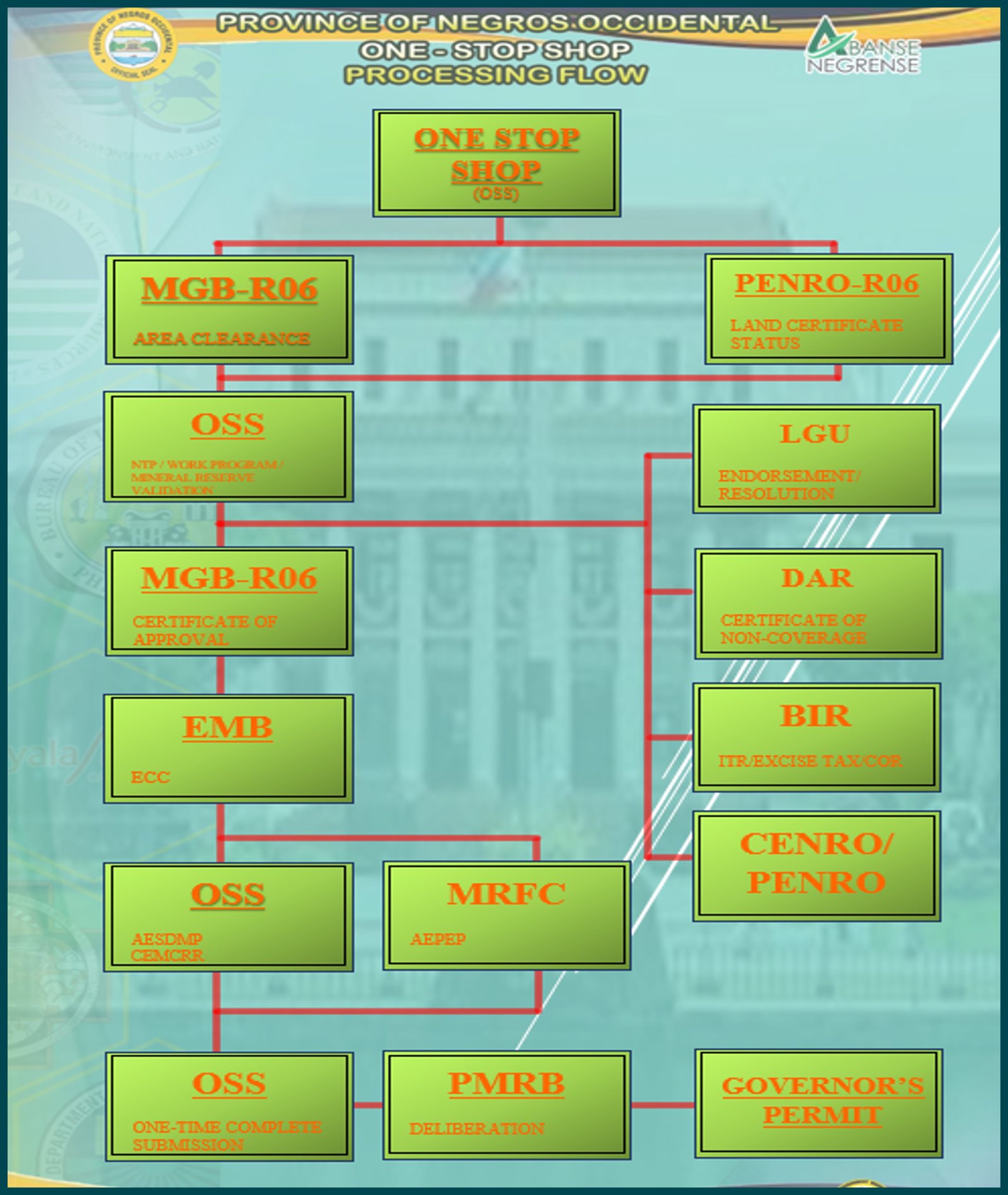
Processing Flow
Click to view full screen
Enforcement Unit
Municipal/City Monitoring Committee (MMC/CMC)
(PMO, Art. III, Section 26)
Composition:
- SP/SB Chairman (Committee on Environment)
- PNP Representative
- Municipal/City Engineer
- Environment Officer (ENRO/MENRO)
- Accredited NGO or Religious Sector
Functions:
- Recommend creation of LGU Enforcement Unit.
- Apprehend violators.
- Investigate disputes & conduct hearings.
- Submit reports to PLO.
Barangay Monitoring Committee (BMC)
A community-based monitoring body.
Composition:
- Punong Barangay (Chairman)
- Kagawad on Environment (Vice Chairman)
- Representatives (Religious, NGO, PO)
Responsibilities:
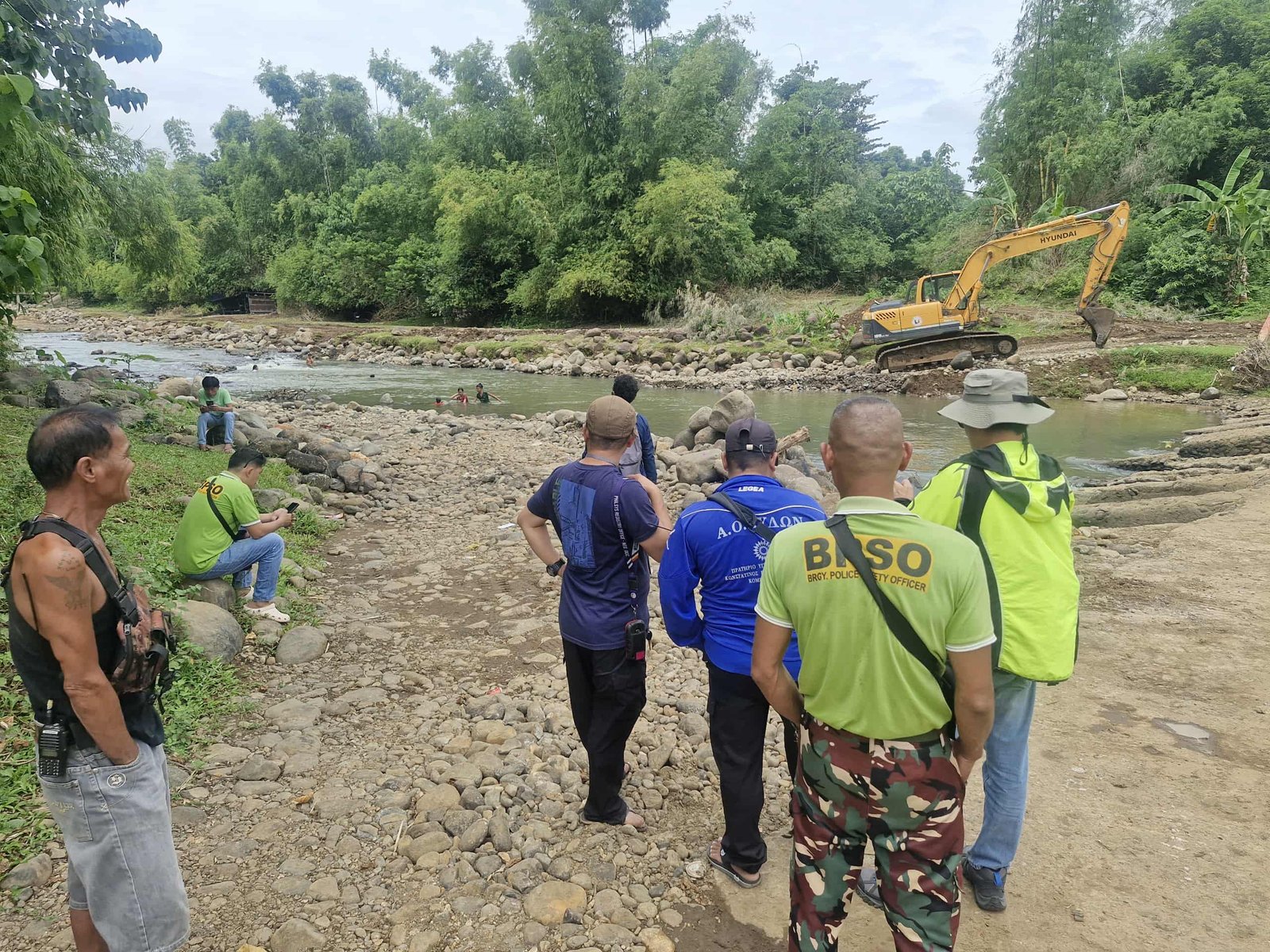
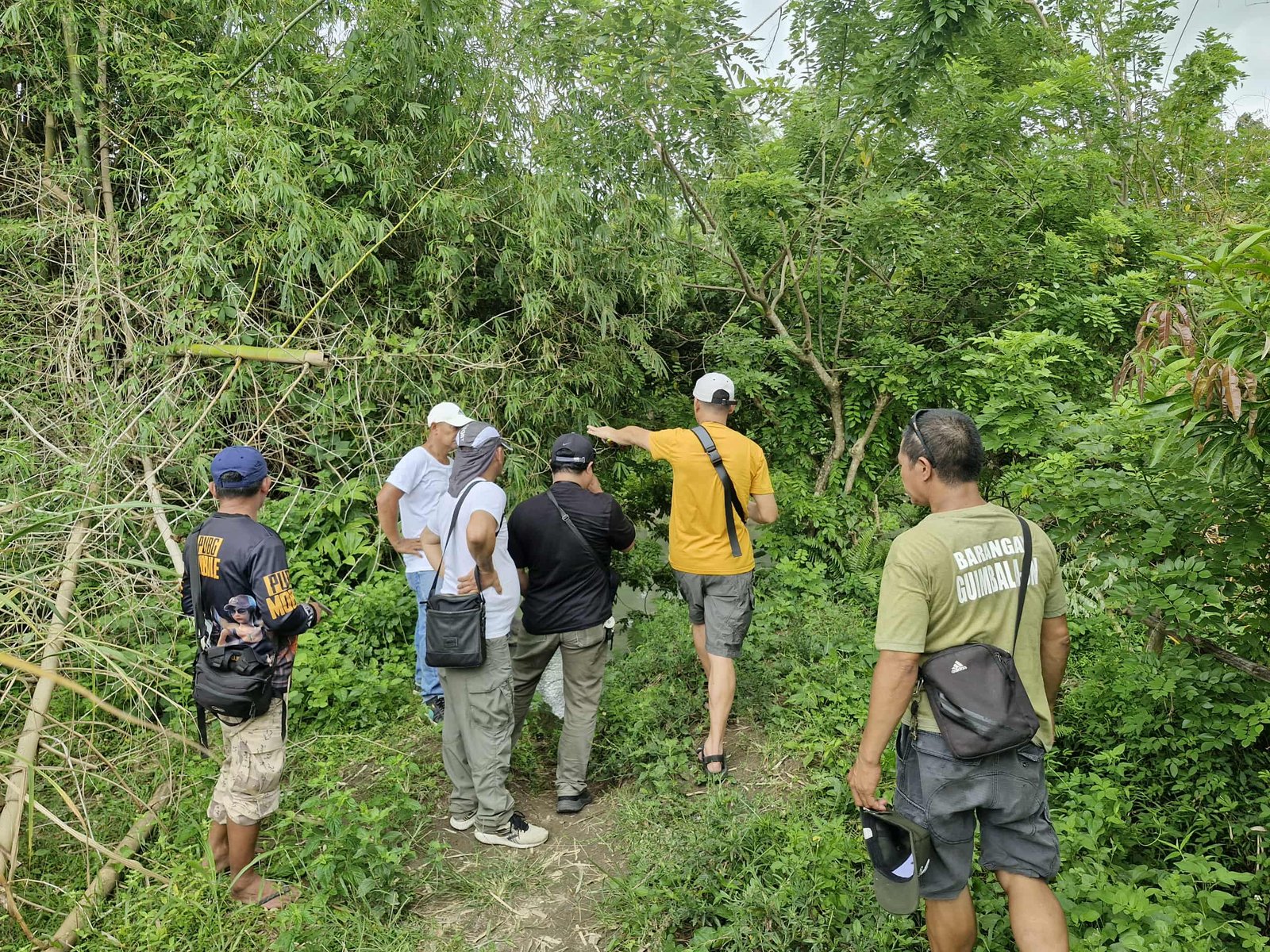
- Strict monitoring of mining activities.
- Apprehension of violators.
- Ensure posting of Notices of Application.
Conduct of Check-point Procedure:
- Place checkpoint billboard visible to public.
- Flag down vehicles loaded with minerals.
- Present ID, inform driver of BMC/MMC/CMC identity.
- Ask for "coupon" or Permit to Transport (PTT).
Prohibited Acts (Article XII, Sec 76)
- Extraction/Hauling without proper permit.
- Extraction in excess of approved volume/area.
- Selling/Transferring fake Permit to Transport (PTT).
- Failure to issue PTT to haulers.
- Issuance of tampered/expired PTT.
- Buying minerals from Gratuitous/Special Permits.
- Overloading (excess of PTT weight).
Monitoring and Evaluation
Compliance Monitoring Procedure
- Coordinate with permit holder/project in-charge.
- Ask for copy of: Governor’s Permit, Survey Plan, ECC, Production Report/Book of Accounts.
On-Site Inspection Checklist
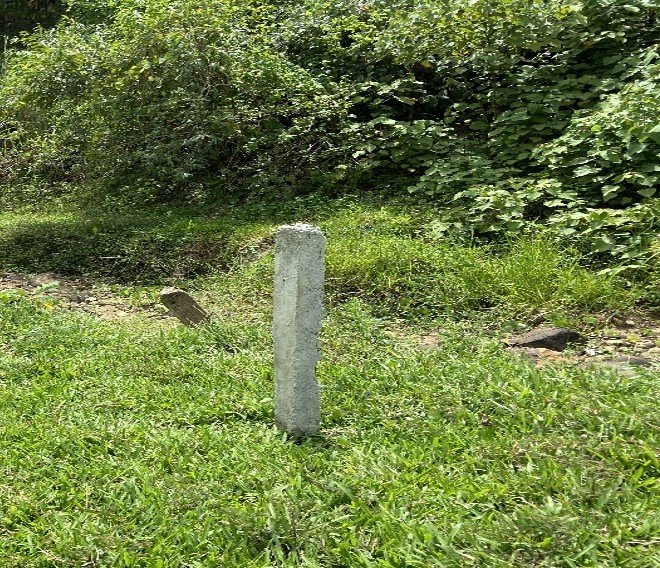
Permit & ECC Conditions
Check for Permanent Markers indicating the boundary of the permitted area.
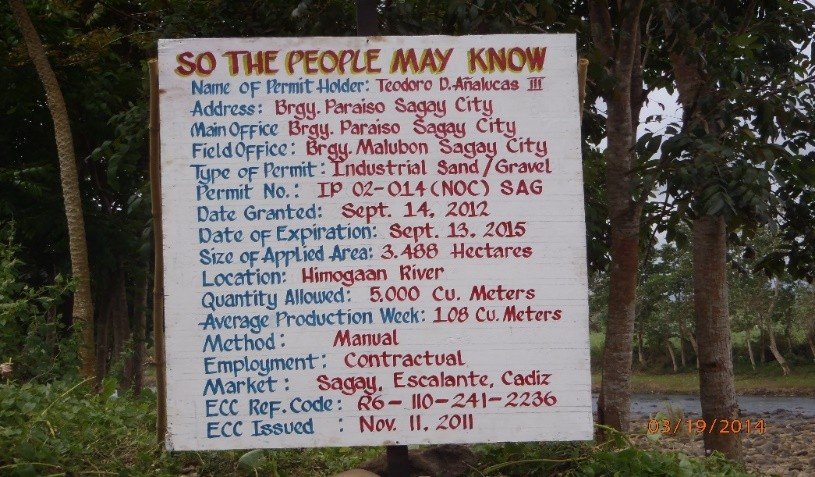
Transparency
Ensure the installation of the official Billboard containing permit details.
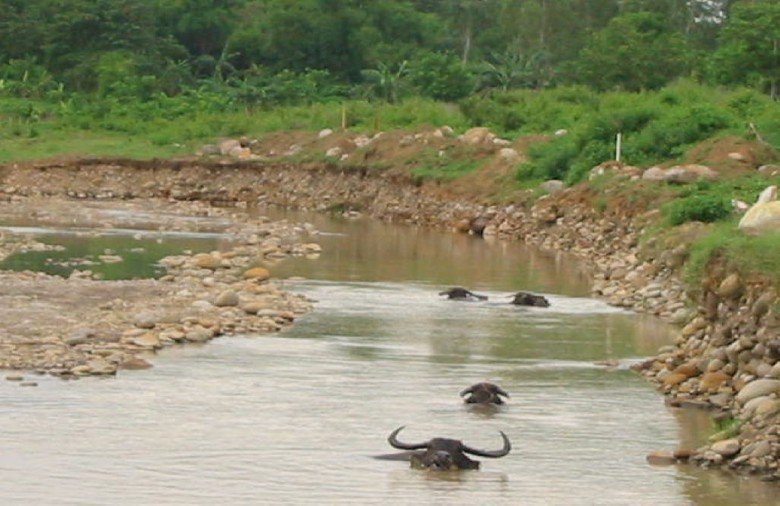
Extraction Parameters
- Check Mode of Extraction.
- Ensure extraction is within confined area.
- Strictly Observe Buffer Zones.
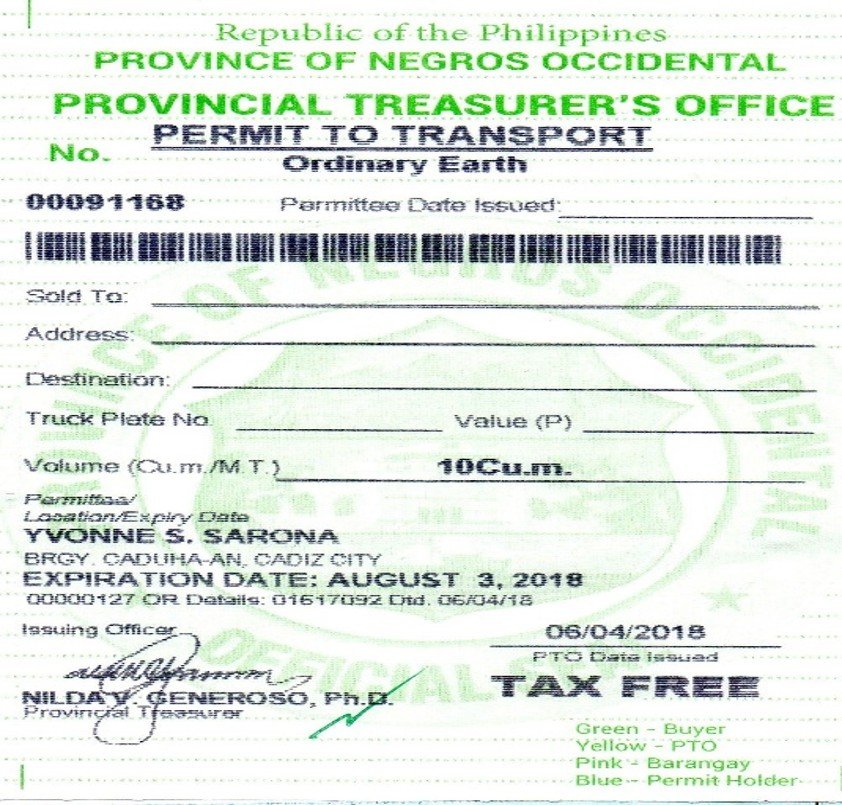
Transport Compliance
- Issue Permit to Transport/Coupon to Haulers.
- Hauling trucks must be covered with canvass/trapal.
Critical Environmental Checks:
No Stockpiling/screening on riverbeds. Access roads must not impede water flow. Equipment count must match approval.
Information, Education & Communication (IEC)
The Provincial Environment Management Office (PEMO) recognizes the vital role of quarry operations in supporting the province’s infrastructure development and local economy.
Quarrying provides essential construction materials such as sand, gravel, and aggregates. However, if not properly managed, it can result in adverse environmental impacts such as soil erosion, water pollution, and safety risks.
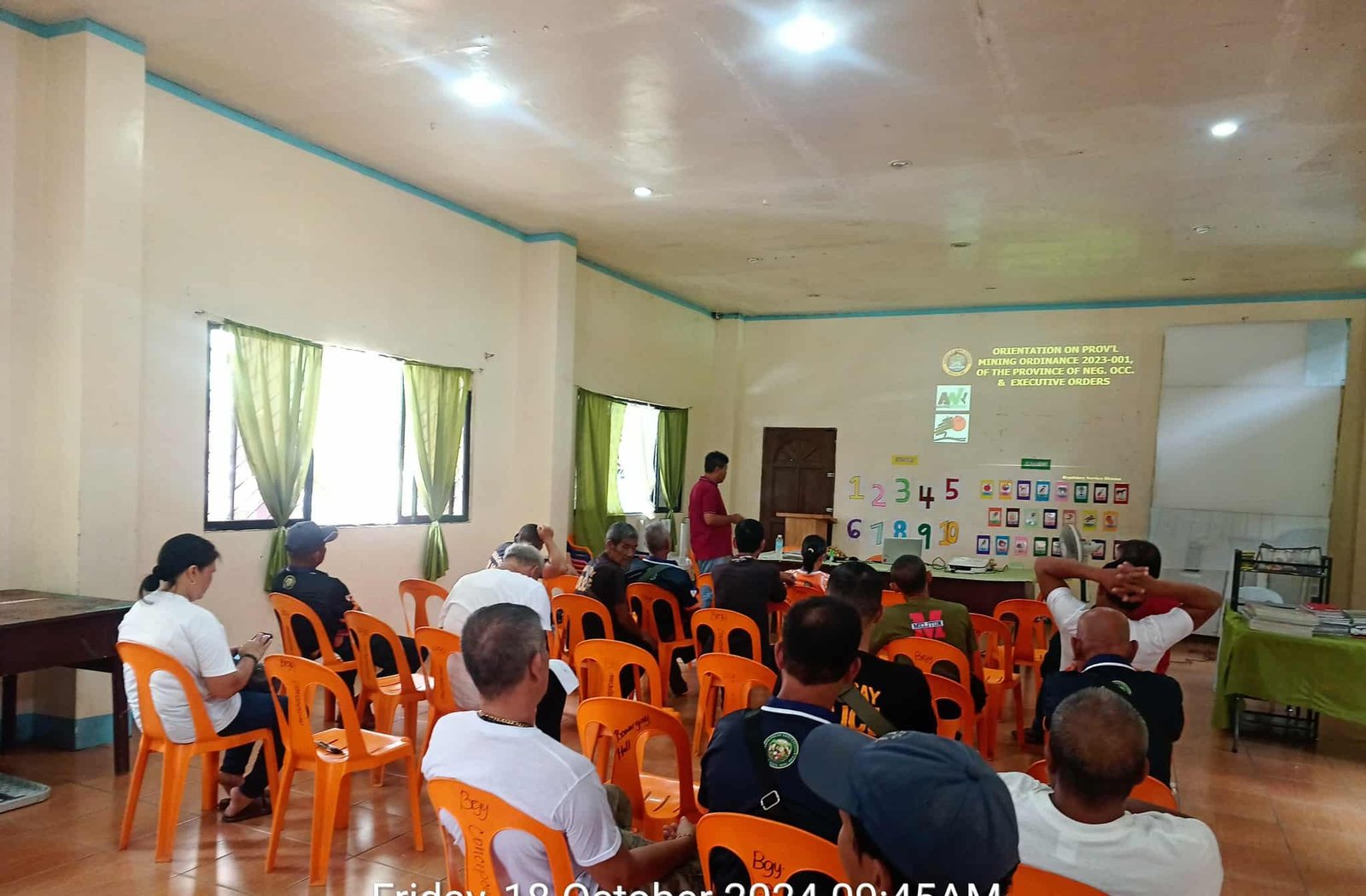
Goal: The campaign aims to enhance public awareness, improve stakeholder participation, and strengthen compliance with environmental regulations governing the extractive industry.